
Written by: Željko Žutelija
One of the five stars that classify Esplanade Zagreb Hotel, the most prestigious hotel in this part of Europe, is always a guiding star: it expresses the pride based on the need to fully respect a 100-year hotel tradition.
That pride is felt not only by the hotel’s employees and the guests who stay there, but also by every resident of Zagreb who feels attached to everything that defines the city's urban identity and the sense of belonging to a city that values its cultural-historical heritage and preserves its traditional legacy. Because today, in an age of previously unimaginable technological innovations and investment ventures in modern hospitality — from Dubai and Singapore to Sydney and Reykjavik — anything is possible and everything is achievable, except the accelerated, instant creation of tradition.
A strong connection with the era in which the most beautiful part of the Croatian capital was built places Hotel Esplanade within the cultural and historical heritage of the city, but also among the European cultural monuments that mark the history of today’s united Europe. Time is a value which, when turned into tradition, becomes priceless, unaffected by market fluctuations, rising above standard categorisation criteria, and promoting historical dignity as an extraordinary benchmark of hotel status.
The field where Zagreb’s symbol rose
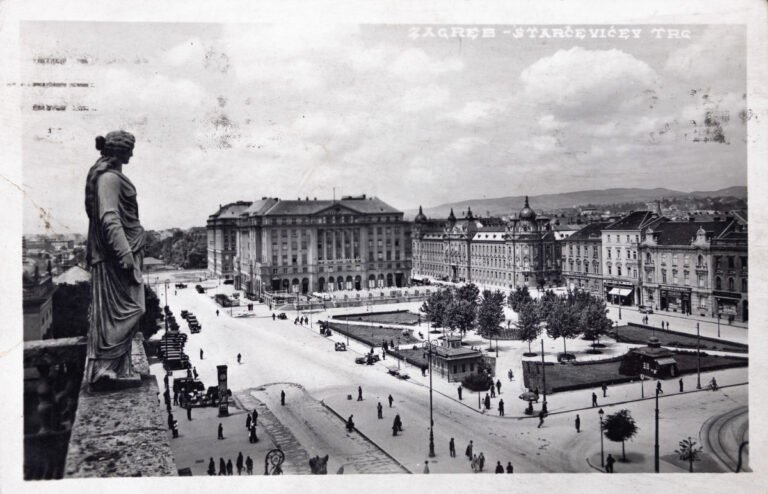
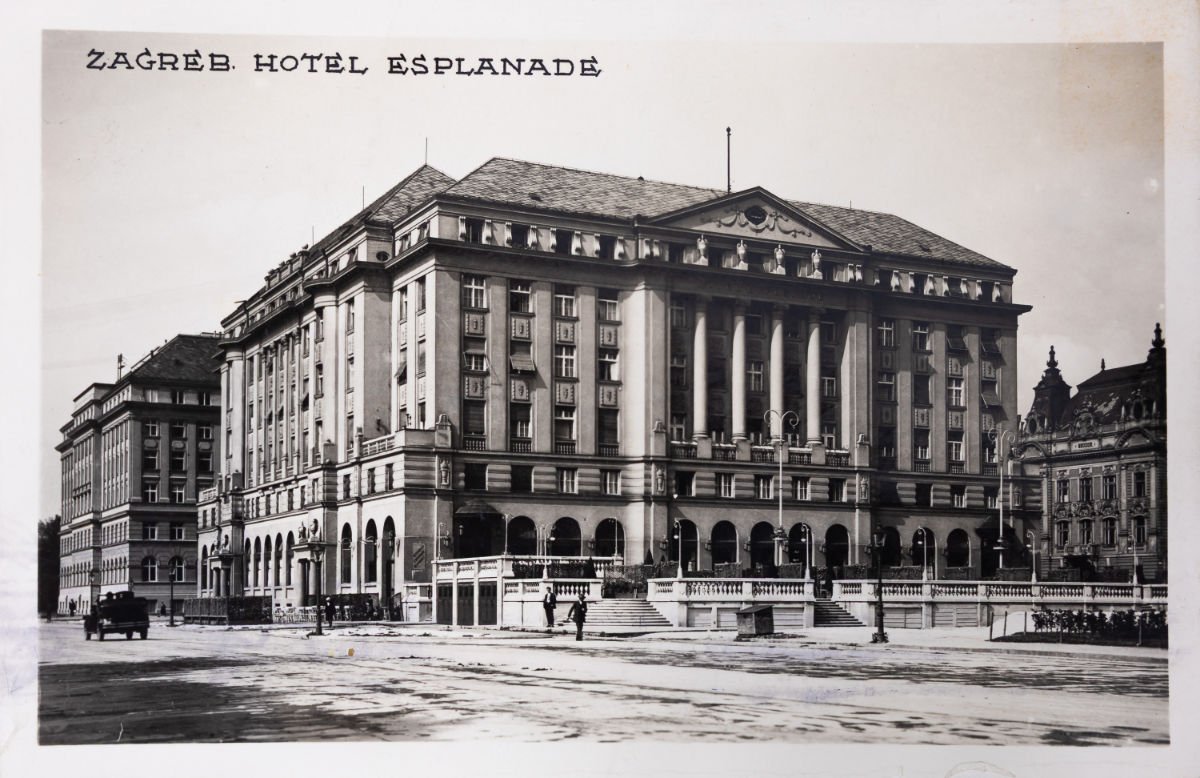
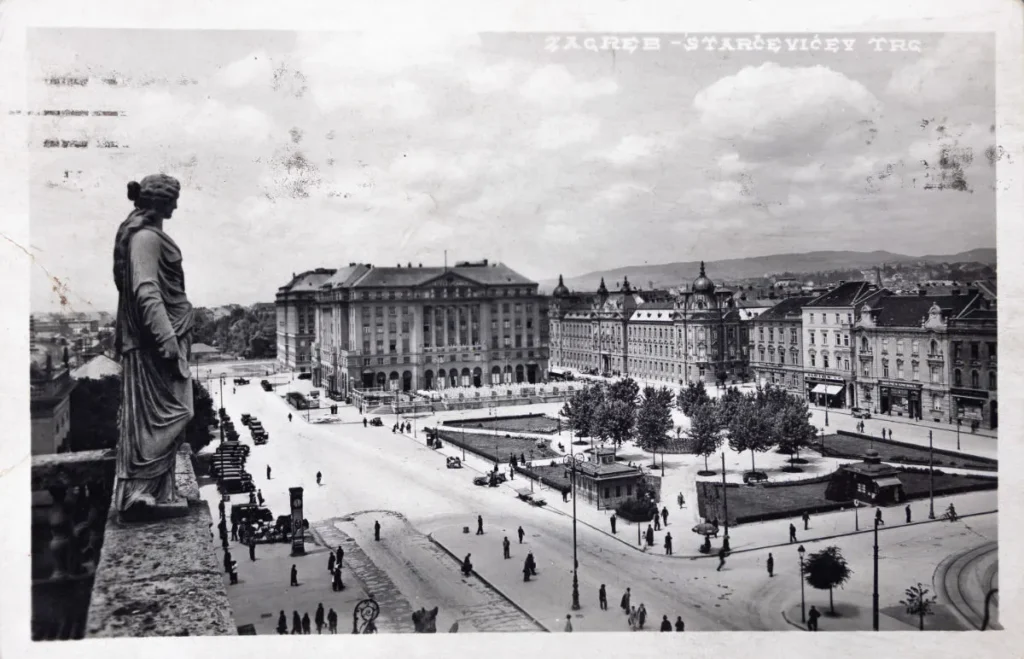
People whose direct memories could testify to the spectacular opening of Hotel Esplanade on April 22, 1925, are no longer alive. All we have left are factual records stating that the hotel was built primarily to accommodate passengers of the legendary Orient Express — the luxurious train that ran on the Paris–Istanbul route. Everything else is left to imagination, to attempts at picturing how, on the field west of the railway station — from which the hotel got its name, and which in winter turned into an ice rink — a representative hotel grew in just 26 months, one that could match the most luxurious hotels in Central Europe in both grandeur and amenities. The inevitable conclusion is that such a project could only be conceived and undertaken by people of far-reaching vision and European horizons.
Around two hundred of the most distinguished guests of the time, led by Mayor Eng. Vjekoslav Heinzel, enjoyed top-tier service and the lavish Art Deco interiors at the opening — especially the magnificent, oval Emerald Ballroom, still today a symbol of hotel luxury and refined ambiance.
Immediately after opening, the hotel became the center of social life in Zagreb. It's hard to even imagine all the balls (military, medical, legal, journalistic, etc.), weddings, graduation or holiday celebrations that were held in the Emerald Ballroom — a kind of temple of bourgeois lifestyle — where both visitors and servers demonstrated the highest achievements in gastronomy, communication, fashion, and service culture.
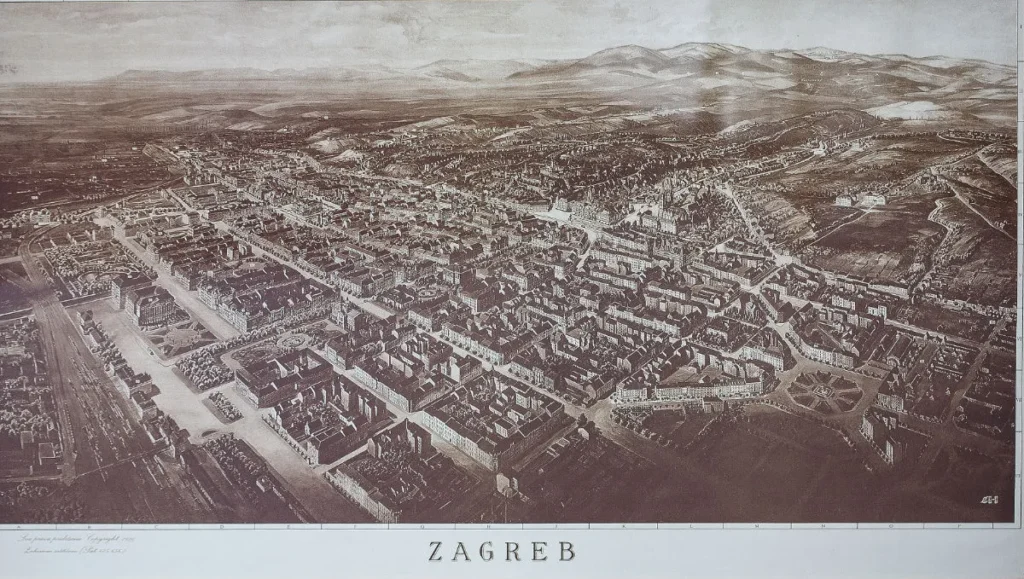
The historical core of Zagreb, built at the turn of the 19th into the 20th century when the city had just under 60,000 inhabitants, received in 1925 — by which time the population had tripled — a representative building designed through an international competition in which even the famous Czech-Austrian architect Adolf Loos took part. The winning design came from German architect Otto Rehnig. His project was reshaped and refined by architect Dionis Sunko, born in Sisak in 1879, who graduated in 1902 from the Technical University in Karlsruhe and worked in Zagreb from 1909..
A strong connection with the era in which the most beautiful part of the Croatian capital was built places Hotel Esplanade within the cultural and historical heritage of the city, but also among the European cultural monuments that mark the history of today’s united Europe. Time is a value which, when turned into tradition, becomes priceless, unaffected by market fluctuations, rising above standard categorisation criteria, and promoting historical dignity as an extraordinary benchmark of hotel status.
A perfect blend of tradition and modernity
its 100 years, never lost or weakened its ties with the residents of its home city — and that is one of its distinctive qualities. Even though they have no reason to stay in a hotel in their own city, the people of Zagreb experience Esplanade as a place of regular visits, one that constantly reminds them of the Belle Époque period and the “good spirit of the city” between the two world wars — of preserving the values of bourgeois culture even in times not particularly favorable to it, and of maintaining a respectable tradition so rare in this region.
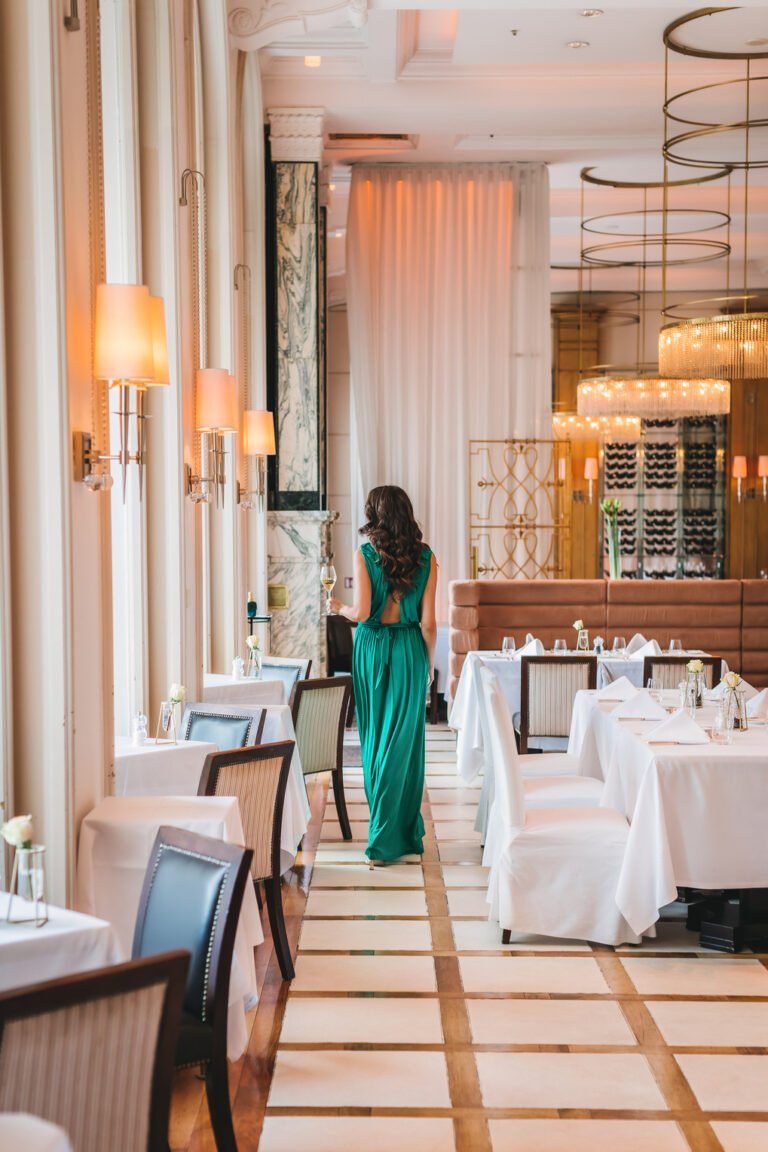
The Emerald Ballroom is still a beloved venue for weddings, business, sports, scientific and other ceremonial events and gatherings. The Zinfandel’s restaurant remains a place of top-level gastronomic pleasure, rooted in Esplanade’s culinary academy. The café and bar, with their charm and ambiance, represent the pinnacle of what Zagreb can offer from its nearly extinct coffeehouse culture. Smaller salons allow for intimate and dignified professional gatherings, organized at the highest level of service, while the Bistro is a space locals perceive as a refined city restaurant that constantly offers innovations from Esplanade’s kitchen. The Oleander Terrace, with its diverse programming, gives visitors that rare feeling of being seamlessly blended into the historic views and park settings of Zagreb right beside the hotel.
A welcome for all
That deep attachment of Zagreb’s residents to their favorite hotel, which they are so proud of, is one of the lesser-highlighted yet highest qualities of Hotel Esplanade — a hotel that greets crowned heads, global dignitaries, film, music, and sports stars, and local citizens over a morning coffee or evening cocktail with equal care and courtesy.
Over the course of its hundred years, many generations of employees have passed through the Esplanade. The hotel has undergone many interior, exterior, organizational and presentational changes, it has been modernized in all segments of operations, embraced the advances of the digital era, and tackled the greatest challenges of the modern age. Yet in one thing it has always remained consistent and steadfast: in preserving the bright tradition and all the values accumulated through that long period of passing on its most precious experiences from one generation to the next.
Citizens of Zagreb can attest that there are very few examples where tradition and modernity coexist in such a harmonious marriage as they do in Esplanade Zagreb hOTEL.